

Obstetrics, Pediatrics and Genetics
Overview
The Obstetrics, Pediatrics and Genetics area is focused on the research on the congenital malformations and pediatric diseases. The Fetal Maternal Medicine group creates synergies through the combined work of basic science researchers and clinical investigators in the preclinical basis of placental insufficiency complications and congenital heart disease. The Bio-Cell Fetal group, recently incorporated, studies basic pathophysiological mechanisms of fetal and pediatric congenital malformations, while the Growth and Development group does research on pediatric endocrine diseases. There is also a Genetics Medicine group that combines genetic diagnosis and research and is pioneer in Spain.
Publications
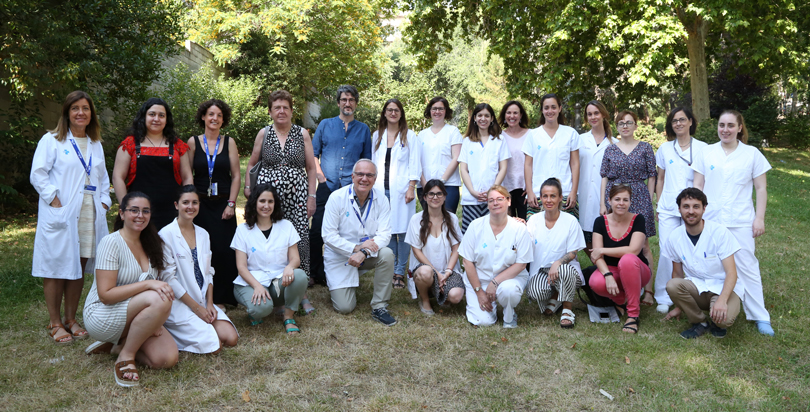
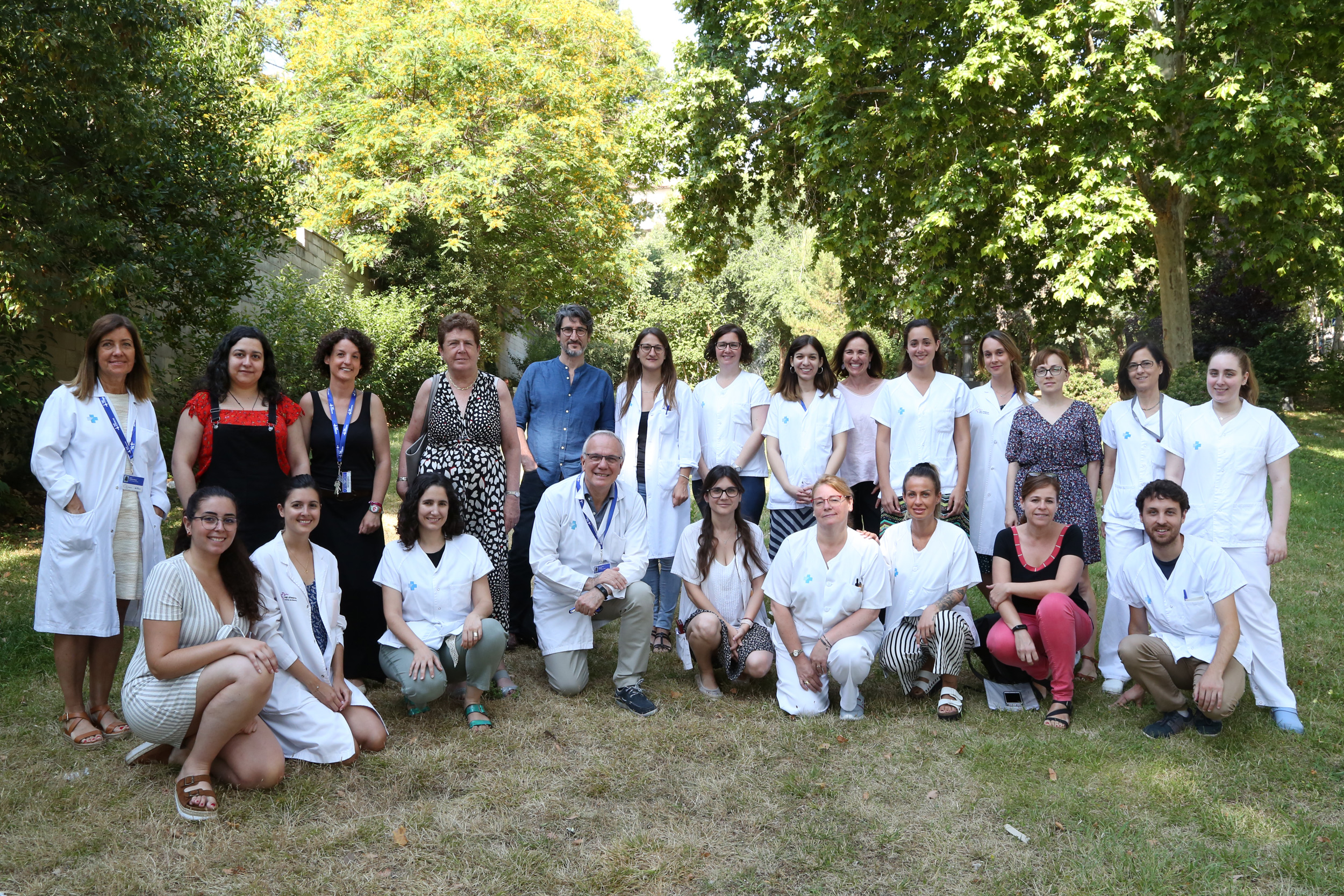
Group Leader: Eduardo Tizzano Ferrari
Group Leader (PI) Eduardo Tizzano Ferrari | Senior Researchers (PI) Miguel del Campo Casanelles, Jordi Pérez López, Teresa Vendrell Bayona, Alberto Plaja Rustein, Martí Ivon Cuscó | Postdoctoral Researchers Mar Borregan Prats, Marta Codina, Abuli Vidal Anna and Clara Serra Juhe | Researchers Susana Boronat, Paramonov , Ida | Assistant Researchers Irene Valenzuela, Fermina López Grondona | PhD Student Maite Calucho Prim, Laura Blasco Pérez, Marc Moltó and Paula Fernandez Alvarez